Comprehensive Guide to the Hysteroscopy Procedure with Leading Obstetricians & Gynecologists at Dr. Seckin
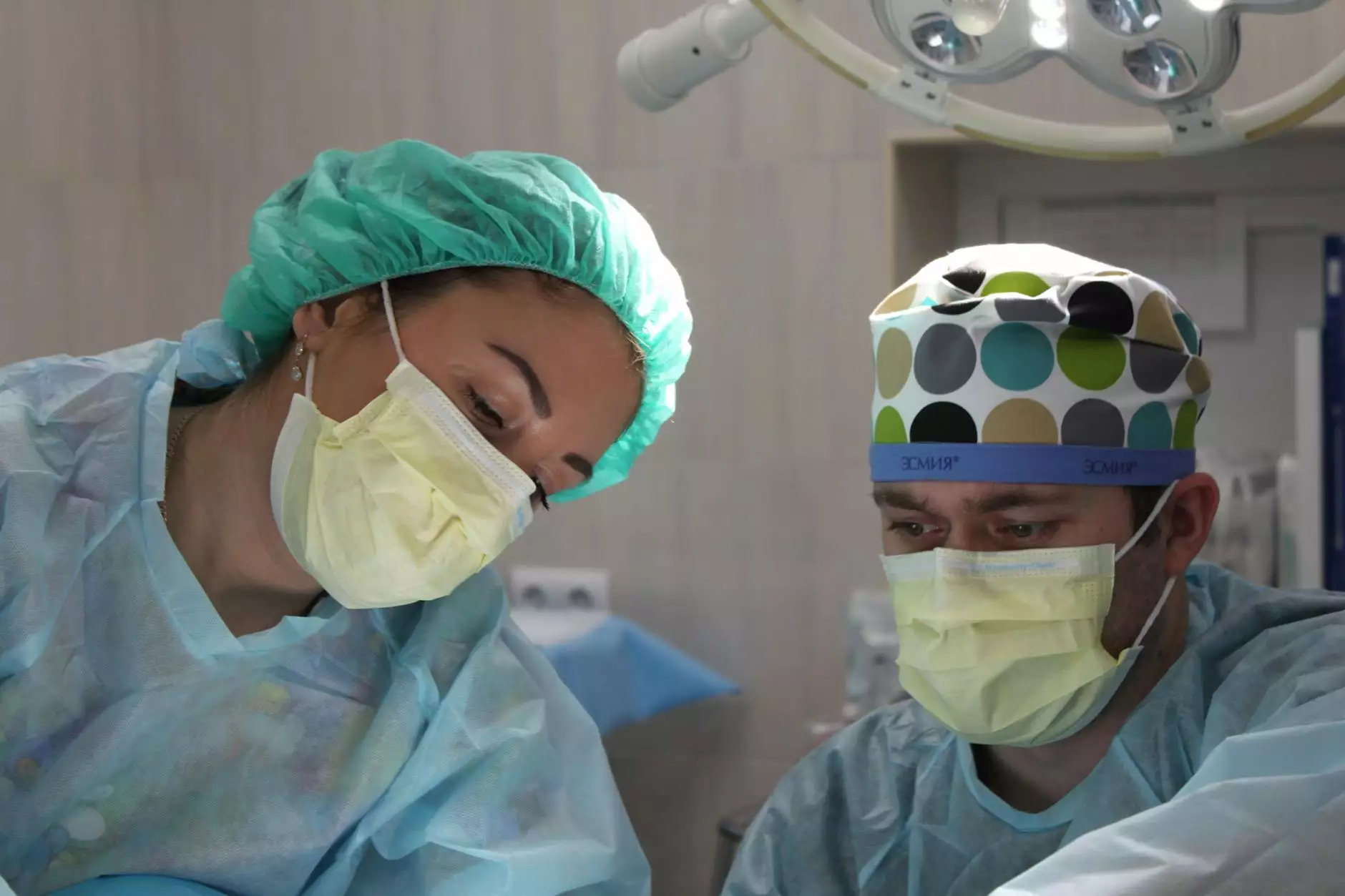
Understanding the intricacies of women's health is vital for maintaining well-being and addressing gynecological concerns effectively. One of the most advanced and minimally invasive diagnostic and treatment techniques available today is the hysteroscopy procedure. At Dr. Seckin's practice, we are dedicated to providing expert care for women seeking accurate diagnosis and effective treatment of uterine conditions, ensuring a healthier and more empowered life.
What is a Hysteroscopy Procedure?
The hysteroscopy procedure is a specialized gynecological technique that allows doctors to examine the inside of the uterus using a thin, lighted instrument called a hysteroscope. This minimally invasive procedure can serve both diagnostic and therapeutic purposes, depending on the patient's needs. It is performed with small tools inserted through the hysteroscope, making it a less painful alternative to traditional open surgeries.
Why is a Hysteroscopy Important in Women's Health?
The hysteroscopy has revolutionized women’s healthcare by providing a precise, safe, and effective approach to diagnose and treat various uterine conditions. It offers a clear view of the uterine cavity, enabling gynecologists to identify abnormalities early and perform necessary interventions during the same session. This procedure is essential for conditions such as abnormal uterine bleeding, recurrent miscarriages, polyps, fibroids, uterine septa, adhesions, and other intrauterine pathologies.
Types of Hysteroscopy Procedures: Diagnostic and Operative
Diagnostic Hysteroscopy
This type of hysteroscopy is used primarily to investigate uterine abnormalities when symptoms such as irregular bleeding, heavy periods, or infertility are present. It involves inserting the hysteroscope to visually examine the uterine walls, locate abnormalities, and collect biopsies if necessary.
Operative Hysteroscopy
Operative hysteroscopy is performed to treat intrauterine conditions identified during the diagnostic process. Using specialized tools inserted through the hysteroscope, physicians can remove polyps, fibroids, adhesions, or septa, often in the same procedure. This approach minimizes patient discomfort, reduces recovery time, and improves treatment outcomes.
The Step-by-Step Process of a Hysteroscopy Procedure
Understanding the procedure can alleviate anxiety and prepare women mentally and physically. Here is a detailed overview of what to expect:
- Preparation: Patients are advised to schedule the procedure at a time when they are not menstruating. A review of medical history, pelvic exam, and, often, pre-procedure ultrasound is performed to ensure readiness.
- Anesthesia: Depending on the complexity and patient preference, local anesthesia, conscious sedation, or general anesthesia may be administered.
- Insertion of the Hysteroscope: The gynecologist gently inserts a speculum to visualize the cervix, which is then carefully dilated if necessary. The hysteroscope is inserted through the cervix into the uterine cavity.
- Inspection and Diagnosis: The inside of the uterus is examined systematically. Saline or carbon dioxide gas is introduced to distend the uterine cavity, providing better visibility.
- Tissue Sampling or Treatment: If abnormalities such as polyps, fibroids, or adhesions are found, they can often be removed or treated at this stage using micro-instruments through the hysteroscope.
- Completion and Recovery: Once the procedure concludes, the hysteroscope is removed. Patients are monitored for a short period before being discharged, often with minimal discomfort.
Benefits of the Hysteroscopy Procedure
- Minimally invasive: Almost no external incisions are necessary, which significantly reduces risks and scarring.
- High accuracy: Enables direct visualization of intrauterine pathologies, improving diagnosis precision.
- Comfort and convenience: Frequently performed on an outpatient basis, allowing quicker recovery and return to daily activities.
- Dual diagnostic and therapeutic: Treats and diagnoses simultaneously, minimizing the need for multiple procedures.
- Reduced complication rates: Less bleeding, pain, and infection risk compared to traditional surgery.
Who Are Ideal Candidates for a Hysteroscopy?
Women experiencing the following symptoms or conditions are often candidates for hysteroscopy:
- Abnormal uterine bleeding, such as heavy periods or bleeding between cycles
- Recurrent miscarriages or infertility
- Uterine polyps or fibroids identified via ultrasound or other imaging modalities
- Suspected uterine septum or adhesions that hinder conception or cause bleeding issues
- Postmenopausal bleeding requiring investigation
Before the procedure, a thorough consultation and diagnostic testing ensure that hysteroscopy is appropriate and safe for each individual.
Post-Procedure Expectations and Recovery
Following a hysteroscopy procedure, patients can typically expect:
- Minimal discomfort: Some cramping or spotting might occur, similar to menstrual symptoms.
- Quick recovery: Most women return to normal activities within 24-48 hours.
- Monitoring for complications: While rare, watch for excessive bleeding, fever, or severe pain and contact your healthcare provider if these symptoms occur.
- Follow-up: Additional visits may be scheduled for biopsy results or further treatment planning.
Why Choose Dr. Seckin for Your Hysteroscopy Procedure?
At drseckin.com, we embody excellence in women’s health by providing personalized, compassionate, and cutting-edge gynecological care. Our team of experienced obstetricians and gynecologists specialize in minimally invasive procedures like hysteroscopy, ensuring:
- State-of-the-art technology: We utilize the latest hysteroscopic equipment ensuring safety and precision.
- Patient-centered approach: Your comfort, privacy, and well-being are our top priorities.
- Expertise in abnormal uterine conditions: Years of experience diagnosing and treating complex gynecological issues.
- Comprehensive care: From pre-procedure consultation through post-operative follow-up, we manage every step with professionalism and compassion.
Additional Tips for Women Considering a Hysteroscopy
- Prepare physically and emotionally: Follow pre-procedure instructions, including fasting if required, and communicate anxiety or concerns beforehand.
- Dress comfortably: Wear loose clothing for easy removal post-procedure.
- Arrive with support: Arrange for someone to accompany you home after sedation or anesthesia.
- Follow post-operative advice: Rest when needed, avoid strenuous activity for a day or two, and abstain from tampon use or intercourse until approved by your doctor.
Maximize Your Women's Health with Expert Gynecology Services
Finding a trusted specialist for your gynecological needs is crucial. At Dr. Seckin’s clinic, we are committed to empowering women by offering expert services in Doctors, Health & Medical, Obstetricians & Gynecologists. Whether you need diagnostic procedures like hysteroscopy, infertility evaluation, or gynecological health management, our team is dedicated to providing the highest standards of care.
Contact Us Today for a Consultation
If you are experiencing symptoms that warrant a hysteroscopy or wish to learn more about your uterine health options, contact Dr. Seckin. Our compassionate team is here to guide you through every step toward better health and well-being.
Remember, early diagnosis and treatment are key to maintaining your reproductive health and improving your quality of life. Trust the experts, and take the first step today.